Climbing & Trekking
Home / Climbing & Trekking
The Roof of Africa
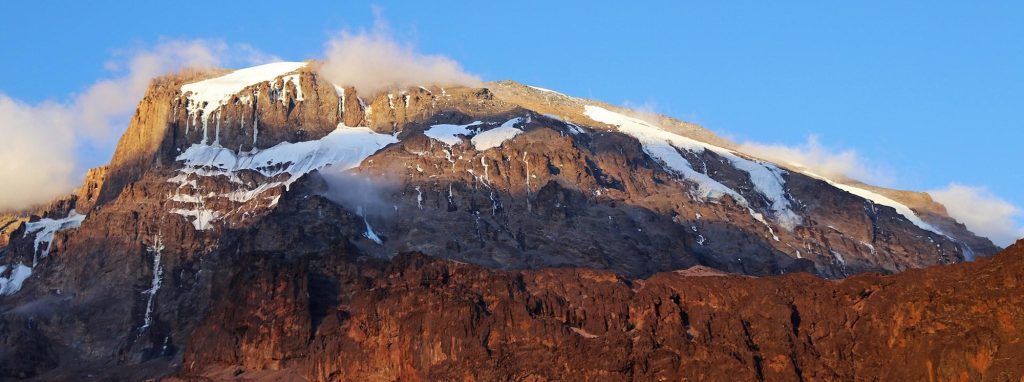
Mount Kilimanjaro — 5,895 m
Africa’s highest peak and the world’s tallest free-standing mountain. Our experienced mountain crews lead you safely through five climate zones to Uhuru Peak, with quality equipment, honest porter welfare and excellent summit success rates.

Kilimanjaro National Park
The Park Around the Mountain
Kilimanjaro National Park plays host to many species of wildlife as well as being home to the more popular Mount Kilimanjaro. Unlike other national parks in northern Tanzania, where visitors come to see wildlife, this is a different case — tourists flock here in their thousands to climb the mountain rather than to game drive.
Managed by the Tanzania National Parks Authority (TANAPA), the park protects a variety of habitats including grasslands, moorland and montane forest. Alongside the annual climbing expeditions it makes a fine area to see wildlife, with Cape buffalo among the many species present.
- No prior mountaineering skill is needed to reach the summit
- Seven established routes to choose from
- Five distinct climate zones on a single climb
- Porters carry most of your baggage to the top
Height
5,895 m — the highest free-standing mountain in the world.
Best Time to Climb
June to March offers clear skies and minimal rain. Avoid the long rains of April and May.
Climate Zones
Five bands, from cultivated farmland and rainforest to alpine desert and the arctic summit.
Managed By
The Tanzania National Parks Authority (TANAPA).
Wildlife on the Mountain
What You May See on the Way Up
The rainforest band is the most rewarding zone for wildlife. The biggest highlight is the monkeys, particularly the unusual black-and-white colobus — and the birdlife is spectacular. Elephant, leopard, giraffe, buffalo and hyena live in the lower regions, though not where climbers walk, so don’t expect to see them on a trek.
- Black-and-White Colobus
- Blue Monkey
- Duiker
- Klipspringer
- Jackson's Chameleon
- Hartlaub's Turaco
- Silvery-Cheeked Hornbill
- Malachite Sunbird
- African Pygmy Kingfisher
Machame Route — the "Whiskey Route"
- 6–7 Days
- Difficulty: Challenging
- Scenery: ★★★★★
Kilimanjaro’s most scenic and popular camping route. A steep, varied trail through rainforest, the Shira Plateau and the Barranco Wall, with a superb climb-high/sleep-low acclimatization profile.

Marangu Route — the "Coca-Cola Route"
- 5–6 Days
- Difficulty: Moderate
- Hut accommodation
The only route with mountain huts instead of tents, and the most gradual ascent path. A classic choice for trekkers who prefer a bed and a gentler gradient on the way to Uhuru Peak.

Lemosho & Shira Routes
- 7–8 Days
- Difficulty: Challenging
- Quietest western start
Remote western approaches across the spectacular Shira Plateau, with wildlife sightings in the lower forest, small crowds and among the highest summit success rates thanks to the longer profile.

Rongai & Umbwe Routes
- 5–7 Days
- Rongai: Moderate
- Umbwe: Very tough
Rongai approaches from the drier north near the Kenyan border — ideal in the rainy season. Umbwe is the steepest, wildest trail on the mountain, for fit trekkers seeking solitude and drama.
Tanzania's Second Summit
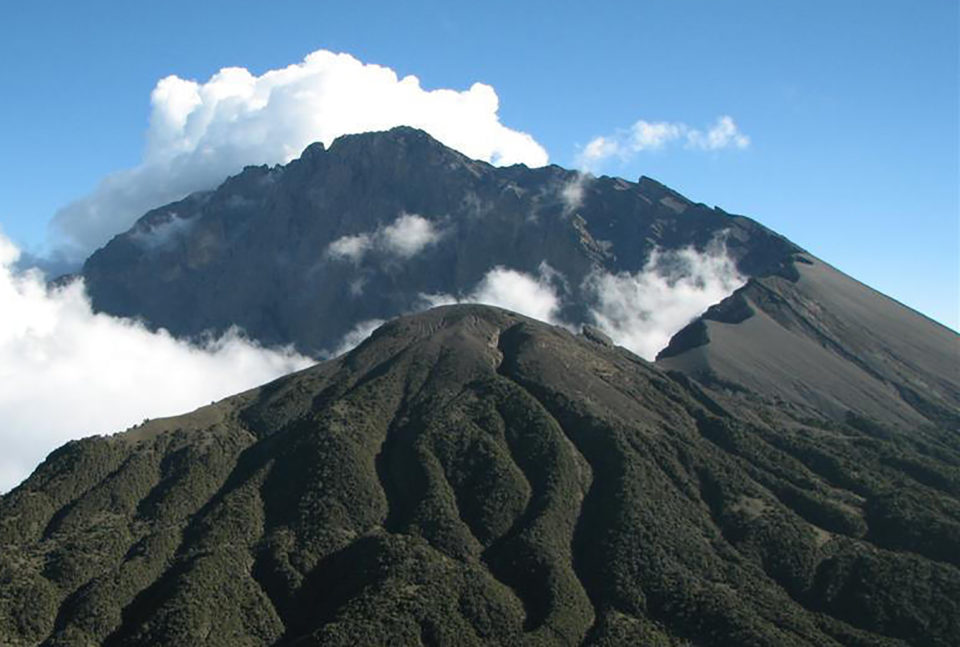
Mount Meru — 4,566 m
- 3–4 Days
- Armed ranger walks
Rising from Arusha National Park, Meru is a spectacular climb in its own right and the perfect acclimatization trek before Kilimanjaro. Walk beside giraffe and buffalo on the lower slopes, sleep in comfortable huts, and summit along a dramatic volcanic ridge with Kilimanjaro glowing on the horizon.
Mountain of God
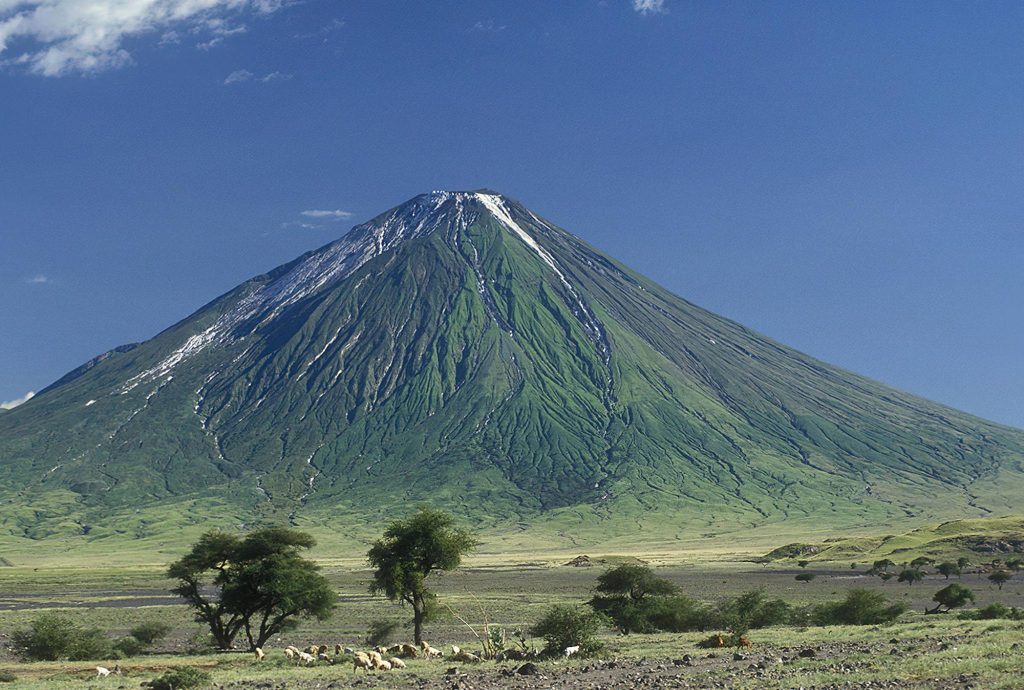
Ol Doinyo Lengai — 2,962 m
The Maasai’s sacred “Mountain of God” is the world’s only active carbonatite volcano, rising in a perfect cone above Lake Natron. A tough night ascent rewards you with sunrise over the Rift Valley, steaming vents, and flamingo-pink shores below.
- Night summit hike with sunrise at the crater rim
- Combine with Lake Natron & Maasai boma visits
- For fit, adventurous trekkers
Your Summit Is Waiting
Ask us about route choice, the best season, gear lists and our porter welfare policy.