Coastal & Islands · History & Culture
Where the Caravan Routes Ended
Bagamoyo sits 75 km north of Dar es Salaam and was, in the nineteenth century, one of the most important towns in East Africa — the Indian Ocean terminus of the caravan routes from Lake Tanganyika, and a major slave-trading port. The name is usually translated as bwaga moyo, “lay down your heart.”
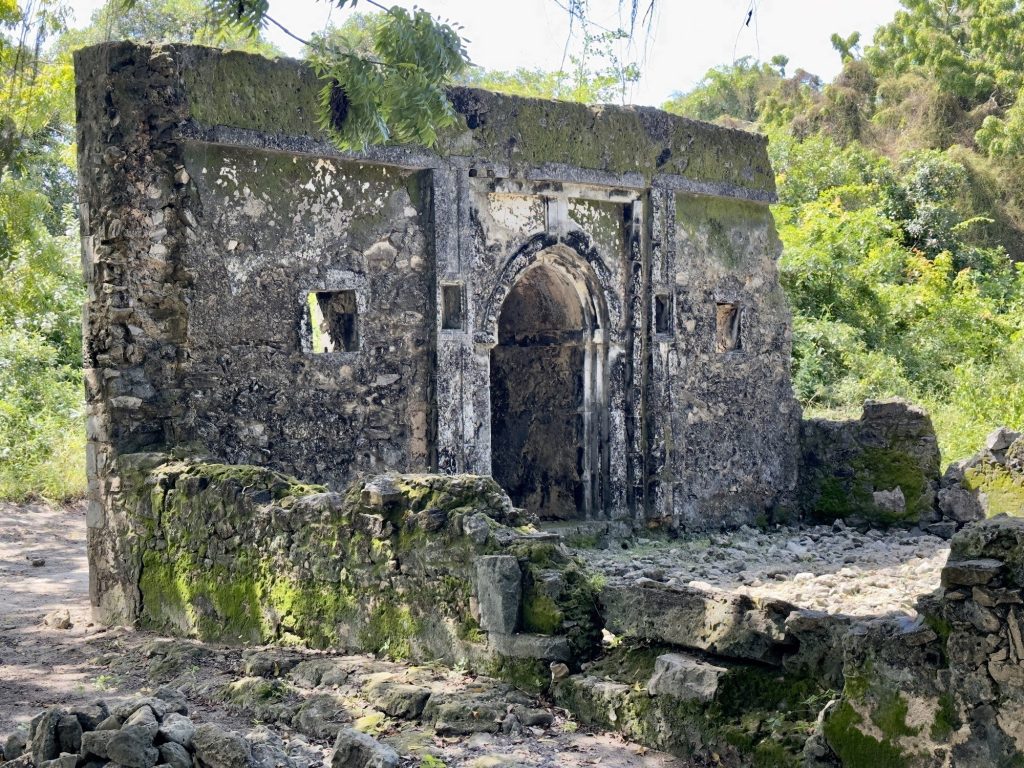
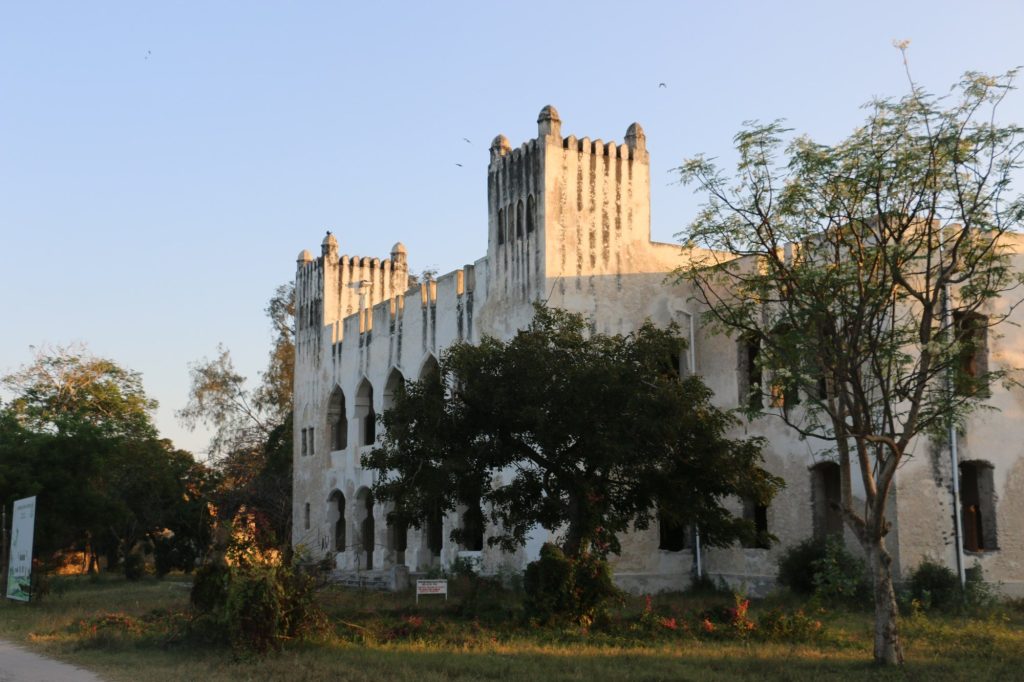
It later became the first capital of German East Africa. What remains is an unusually dense layer of history in a small, quiet coastal town: the Kaole Ruins, the mission that received Livingstone’s body, and a crumbling German boma facing the sea.
- The 13th-century Kaole Ruins and their coral-stone mosques
- The Catholic Mission Museum and the first church in East Africa
- German colonial boma and the old caravan serai
- A working fishing beach and dhow-building yards
Good to Know
Bagamoyo at a Glance
What You'll Find
Best Time to Visit
June to October for dry, comfortable weather along the coast.
Distance
About 75 km north of Dar es Salaam — an easy 2-hour drive each way.
History
Caravan-route terminus, slave-trading port, and the first capital of German East Africa.
Getting There
Around 2 hours by road from Dar es Salaam; often combined with Saadani.
- Kaole Ruins
- Mission Museum
- German Boma
- Caravan Serai
- Old Fort
- Arts College
- Dhow Building
- Fish Market
- Coral Mosques
- Livingstone's Tower
Things to Do
Walking Through the History
Bagamoyo works best as a guided day trip from Dar es Salaam, or as a stop on the way north to Saadani National Park.
- Guided walking tour of the old town
- Kaole Ruins and the 13th-century mosques
- Catholic Mission Museum and Livingstone's Tower
- Bagamoyo College of Arts performances and craft workshops
The Coast's Forgotten Capital
An easy, fascinating day out of Dar — and a natural pairing with Saadani.