
Introduction: A Journey Begins
Imagine waking before dawn to the distant rumble of wildebeest hooves, the sky painted in pink and gold as the African sun rises over the Serengeti. This is the magic of Tanzania safari tours—an immersive journey into one of the world’s most breathtaking wildernesses. Whether you’re a first-timer or a seasoned traveler, Tanzania delivers experiences that stay with you long after you return home.
In this guide, you’ll find fresh perspectives, practical tips drawn from personal experiences, and in-depth research to help you plan the safari of your dreams. Let’s dive in!

Why Tanzania Safari Tours? A Comparative Perspective
| Feature | Tanzania | Kenya | South Africa |
|---|---|---|---|
| Iconic Wildlife | Great Migration, Big Five | Big Five, Maasai Mara migrations | Big Five, varied ecosystems |
| Landscape Diversity | Savanna, wetlands, highlands, coastal reserves | Savannah, highlands, beaches | Savanna, bushveld, Cape fynbos |
| Cultural Encounters | Maasai, Hadzabe, Chaga | Maasai, Kikuyu | Zulu, Xhosa, San |
| Cost (midrange tour) | $250–$400/day | $200–$350/day | $150–$300/day |
| Best Time to Visit | June–October (dry season) | July–October | May–September |
Table 1: How Tanzania stacks up against other top safari destinations
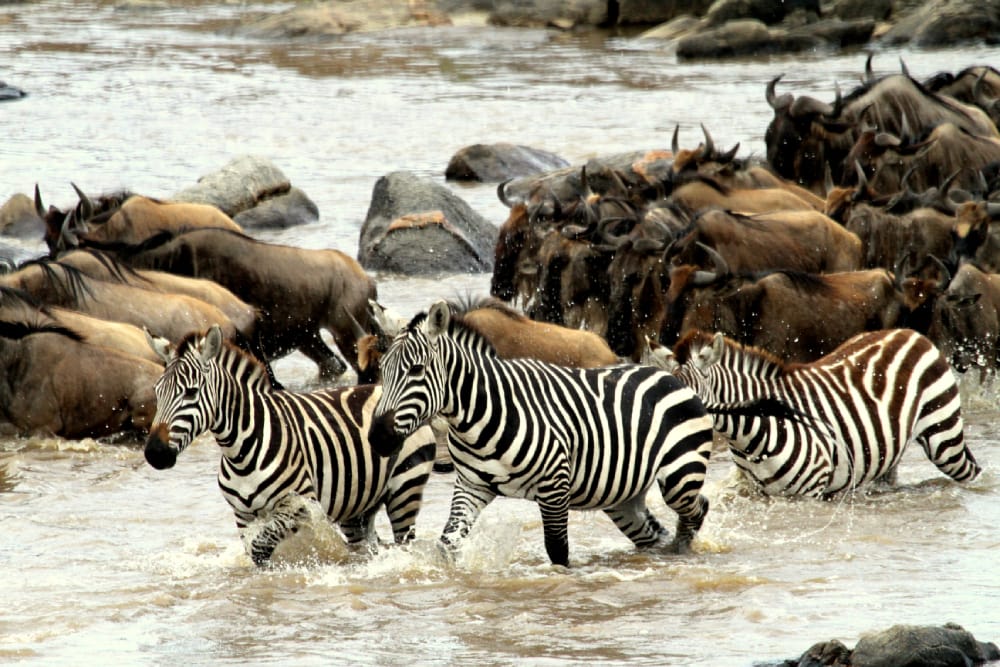
Tanzania’s claim to fame is the annual Great Migration, when over a million wildebeest thunder across the Serengeti—a spectacle unmatched elsewhere. The combination of vast open plains, remote camps, and cultural richness gives Tanzania an edge for those seeking authenticity and solitude.
Key Regions & Parks
Serengeti National Park
- Highlight: The Great Migration river crossings.
- Insider Tip: Arrange a private balloon safari at dawn for a bird’s-eye view of herds below.
Ngorongoro Crater
- Highlight: Highest density of predators in Africa.
- Fresh Perspective: Stay on the crater rim at a family-run lodge—waking to crater views is incomparable. Learn more on UNESCO’s official site.
Tarangire National Park
- Highlight: Ancient baobab trees and large elephant herds.
- Personal Note: A night game drive here revealed a leopard’s silhouette against the baobabs—an unforgettable moment.
Selous Game Reserve (now Nyerere National Park)
- Highlight: Untouched wilderness, boat safaris on the Rufiji River.
- Expert Insight: This UNESCO World Heritage Site is far less crowded—perfect for photographers and nature lovers.
Crafting Your Ideal Itinerary
- Classic 7-Day Loop
- Days 1–2: Northern Serengeti (migration viewing)
- Days 3–4: Ngorongoro Crater (Big Five search)
- Days 5–6: Tarangire (elephants & baobabs)
- Day 7: Departure via Arusha
- 14-Day Deep Dive
- Add:
- 3 days in Selous for boat and walking safaris
- 2 days in Lake Manyara for tree-climbing lions and birding
- Add:
- Custom Themes
- Photography Tour: Professional guide, sunrise/sunset shoots, field darkroom demo.
- Cultural Immersion: Homestays with Maasai, visits to coffee farms in Kilimanjaro foothills.
What to Pack & Prepare
- Clothing: Neutral tones, layers for chilly mornings, a warm jacket for balloon rides.
- Gear:
- Camera with telephoto lens (200–400 mm)
- Binoculars (8×42 minimum)
- Headlamp (red-light mode preserves night vision)
- Health & Safety:
- Yellow fever and routine vaccinations (check CDC’s travel page)
- Malaria prophylaxis (consult your doctor)
- Visa & Permits: Apply for your e-visa at Tanzania Immigration and confirm park fees with your tour operator.
For a detailed list, see our Safari Packing Checklist.
Unique Insights & Personal Reflections
Dawn over the Seronera
On day three of my last safari, I slipped from the tent at 5 a.m. The mist lay heavy in the valley, and silhouettes of grazing impala emerged like phantoms. Suddenly, a coalition of lions trotted through—stoic, powerful, and utterly unconcerned by my silent witness. Moments like these remind you that you’re not just observing nature; you’re part of it.
The People Behind the Safari
I’ll never forget meeting Joseph, my Maasai guide, whose knowledge of animal behavior rivaled any field manual. Over tea at his boma, he shared stories passed down generations—stories that transformed every sighting into living folklore.
Support local tourism by choosing operators who employ community-based guides. You’ll gain cultural insight and help sustain the region.
Costs & Best Value Strategies
| Expense Category | Budget Traveler | Mid-Range Explorer | Luxury Seeker |
|---|---|---|---|
| Accommodation/day | $50–$100 | $150–$300 | $400–$1,000 |
| Game drives/day | $100–$150 (shared) | $200–$300 (private) | $400+ (exclusive) |
| Meals & drinks/day | $20–$40 | $50–$80 | $100+ |
| Total 7-day cost | $1,000–$1,500 | $2,500–$4,000 | $5,000+ |
Table 2: Estimated budgets for different travel styles
Value Tip: Traveling in late June (just after the rains) often yields lush landscapes, fewer crowds, and slightly reduced rates—while still offering great migration views. Learn more about Tanzania’s safari seasons.
FAQs
When is the best time for Tanzania safari tours?
Dry season (June–October) is perfect for wildlife concentration around waterholes; November–December for calving season in southern Serengeti.
How safe is a safari in Tanzania?
Park authorities maintain strict safety protocols. Always follow your guide’s instructions and stay in designated areas. Read our full safety guide.
Can I combine safari with a beach holiday?
Yes! Zanzibar’s white-sand beaches are just a 1-hour flight from Arusha—perfect for post-safari relaxation.
Conclusion
Tanzania safari tours offer more than a checklist of “Big Five” sightings—they deliver transformative moments, cultural connections, and stories you’ll tell for a lifetime. Ready to start planning?
- Design your own itinerary
- Subscribe for insider tips
- Or book a consultation with our expert safari planners
Your Tanzania Safari Tours awaits—book now and make memories that roar louder than the Serengeti winds!