Day 1
Arrive Dar es Salaam International Airport
Pick up from Dar es Salaam International Airport and transfer to Dar es Salaam city.
Dar es Salaam from the Arabic world means “the house of peace”; formerly Mzizima, it is the former capital and largest city in Tanzania. It is known as the safari capital of Tanzania's Southern Safari Circuit. It is the largest city in East Africa by population, as well as a regionally important economic centre. Located on the Swahili coast, the city is one of the fastest growing cities in the world. Dinner and overnight at the Hotel in Dar es Salaam.
🛬 Airport Transfer
🏙️ Dar es Salaam
🏨 Hotel in Dar
Day 2
Dar es Salaam – Nyerere National Park
In the morning, leave for Nyerere National Park. Lunch at the camp. Boat safari along the Great Rufiji River.
With its largest wilderness area in Africa, Nyerere National Park has relatively undisturbed ecological and biological processes, including a diverse range of wildlife with significant predator and prey relationships. The mighty Rufiji with its renowned population of hippo and rhino flows to the Indian Ocean. The river has been designated as a photographic zone and is a popular tourist destination. Elephant, buffalo and lion are found in greater numbers and the park, together with the remaining part of Selous, has the last true stronghold for African wild dog. You will be able to enjoy the widest diversity of safari activities in the country, like boating safaris as well as standard game drives and walking safaris. Dinner and overnight at the Camp.
🛶 Rufiji Boat Safari
🦛 Hippo & Croc
⛺ Camp in Nyerere
Day 3
Full Day Nyerere National Park
Depart for a full day exploring Nyerere National Park, with picnic lunch inside the park.
The variety of wildlife to be seen in Nyerere isn't quite on a par with Ruaha or Serengeti National Parks, but you're likely to see big herds of buffalo and elephant. Masai giraffes are very common too. Impalas are abundant, and you'll see lots of greater kudus with their magnificent spiral horns as well. Nyerere is a stronghold for the rare sable antelope, and one of the main attractions of the park is the chance to encounter wild dogs. Nyerere National Park (formerly the Selous Game Reserve) offers great wildlife viewing. The string of lakes along the main circuit is a good place to see unusually large groups of giraffes alongside buffalo, waterbuck, impala, and plains zebras. Opportunistic, hungry lions sometimes wait nearby for animals to drink, and you might be lucky to see a daytime kill. Dinner and overnight at the Camp.
🚗 Full-Day Game Drive
🐕 Wild Dog
🍽️ Picnic Lunch
⛺ Camp in Nyerere
Day 4
Nyerere National Park – Morogoro
Breakfast at the camp and depart to Morogoro, with a game drive on the way and picnic lunch.
Morogoro is a city in the central Tanzania region of Tanzania. There are old German buildings in the city from the colonial period. The city is at the base of the Uluguru Mountains, which makes it an ideal base for hikers and campers. Dinner and overnight at the Camp.
🚗 Game Drive En Route
🏔️ Uluguru Mountains
🍽️ Picnic Lunch
Day 5
Full Day Morogoro Region
Leisurely breakfast at the hotel then depart for a guided Morogoro city tour.
Morogoro lies in the agricultural heartland of Tanzania, and is a centre of farming in the southern highlands. Tobacco is grown in the region and consolidated here before going to the market. In addition to its agricultural importance, Morogoro is also the centre for missionary work that goes on in the country, and various missions and their schools and hospitals are a central feature of the town. Dinner and overnight at the Camp.
🏙️ Guided City Tour
🌱 Farming Heartland
🏛️ Mission Heritage
Day 6
Morogoro – Udzungwa Mountains National Park
After an early breakfast, depart for Udzungwa Mountains National Park.
Explore Udzungwa Mountains National Park on this full day adventure. Experience the freedom of hiking and climbing trails through the rainforest. Climb to the top plateau, looking out over views of sugar plantations, grassland and mountain forest. Visit Sanje waterfall and swim in the cool waters and spot local wildlife. Dinner and overnight at Camp.
🥾 Rainforest Hiking
💦 Sanje Waterfall
🏔️ Top Plateau Views
Day 7
Udzungwa Mountains National Park – Iringa
Depart to Iringa city, lunch at the hotel, then depart for a short tour to visit Iringa Boma.
Iringa Boma is a place for education, participation and recreation. Boma is a Swahili word for fortification, perfectly describing the centre as a stronghold of culture and heritage in the region. It offers various opportunities to engage with culture and heritage in Iringa, for people from within and from outside the region. Depart for the Iringa city tour, and visit Iringa Museums. Dinner and overnight at Hotel.
🏛️ Iringa Boma
🗿 Iringa Museums
🏨 Hotel in Iringa
Day 8
Full Day Iringa – Isimila Stone Age Site
Breakfast at the hotel and depart for a full day excursion at Isimila, with picnic lunch.
Located outside Iringa, Isimila is home to some of the world's most significant archaeological discoveries. Among the glorious landscape of eroded sandstone, Stone Age tools were unearthed in the late 1950s. Hammerstones, axeheads, flints and scrapers thought to be up to a hundred thousand years old were found. Learn more by visiting the local museum which highlights the work with well-captioned displays. Learn about Stone Age society in its real location, discover archaeological processes at work, see the local museum, and relax and enjoy the provided lunch and water. Dinner and overnight at hotel.
⛏️ Stone Age Tools
🏜️ Eroded Sandstone
🏛️ Local Museum
🍽️ Picnic Lunch
Day 9
Iringa – Ruaha National Park
Morning departure for Ruaha National Park, with picnic lunch.
Ruaha National Park is a favorite safari destination for many African aficionados. And that is for good reason: when it comes to a combination of wilderness appeal and diverse wildlife viewing, Ruaha is hard to beat. Its untrammeled bush vibe extends to its limited accommodation options, which mostly consist of exclusive rustic lodges and tented camps, all spread out over a vast area. Dinner and overnight at the Camp.
🗺️ Remote Wilderness
🐘 Elephant Country
⛺ Camp in Ruaha
Day 10
Full Day Ruaha National Park
After breakfast, depart for a full day exploring Ruaha National Park, with picnic lunch.
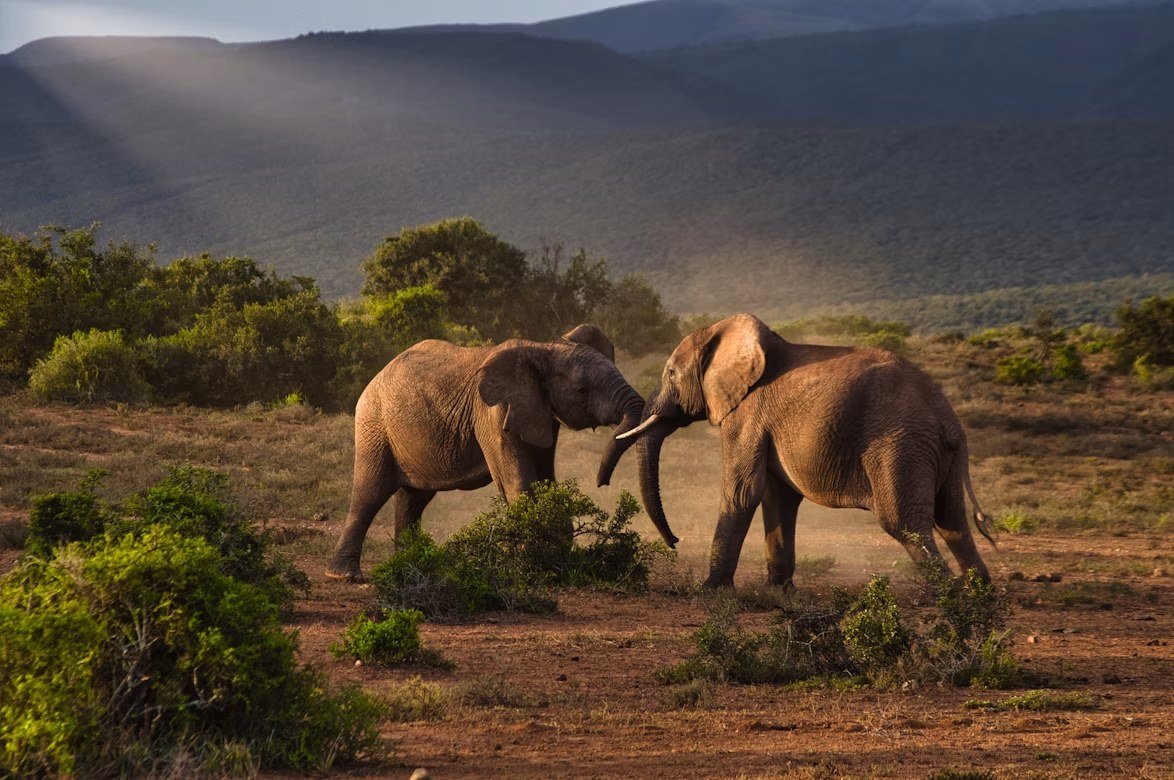
Predator viewing in Ruaha is exceptional. The park is known for its big pride of lions and healthy wild dog population. While lions are very territorial, wild dogs, with their big home ranges, are a lot more elusive. Elephants and a wide variety of antelope are another big draw to the park. Ruaha National Park is an unspoiled wilderness famed for its large number of elephants. In fact, aside from rhinos, most major safari animals can be easily seen here. Large prides of lions, sometimes counting more than 20 individuals, roam the park, and even buffalo, an unusual prey, isn't safe here. Dinner and overnight at the Camp.
🦁 Big Lion Prides
🐕 Wild Dog
🍽️ Picnic Lunch
⛺ Camp in Ruaha
Day 11
Ruaha National Park – Mikumi National Park
After breakfast depart for Mikumi National Park with a packed lunch.
Underrated Mikumi National Park is known for its open horizons and abundant wildlife, especially across the Serengeti-like expanses of the Mkata Floodplain. The hippo pool and Millennium area are particularly popular, and for good reason. The Dar-Ruaha Road bisects Mikumi, and it can get busy during the dry season. To escape the crowds, the park's south has a wild, wilderness feel and is known for its elephants and lions. Evening game drive at Mikumi National Park. Dinner and overnight at the Camp.
🌾 Mkata Floodplain
🦛 Hippo Pool
🚗 Evening Game Drive
⛺ Camp in Mikumi
Day 12
Full Day Mikumi National Park
After breakfast, go for a full-day game drive in the vast beautiful Mikumi National Park until evening.
The grasslands of Mikumi support large herds of zebra, wildebeest, buffalo, and impala. Giraffes and elephants are also common. Large predators such as lions, leopards, and spotted hyenas are less conspicuous but still possible. Watch also for eland, greater kudu, sable, and Lichtenstein's hartebeest. Troops of yellow baboons and vervet monkeys are found throughout the park. The planned reintroduction of rhino to Mikumi will only increase the park's appeal. Zebra, wildebeest, impala, and buffalo inhabit the grassy plains of Mikumi National Park. Lions, which prey on these animals, are also quite often seen. Giraffes browse the isolated acacia trees that fringe the Mkata River, where you should also see elephants. Dinner and overnight at the Camp.
🚗 Full-Day Game Drive
🦓 Zebra & Wildebeest
🦒 Mkata River Giraffes
⛺ Camp in Mikumi
Day 13
Mikumi National Park – Dar es Salaam
Depart for a morning game drive, then back to the camp for breakfast.
After breakfast drive to Dar es Salaam. Arrive in Dar es Salaam and transfer to Dar es Salaam Airport for your international scheduled flight back home. End of programme.
🌅 Morning Game Drive
🚗 Drive to Dar
🛫 Airport Transfer