One of the main draws of this national park is the third-largest lake in the nation. It is a long lake with numerous islands, inlets, and bays scattered throughout. Some of them are swampy, and they are home to the unique sitatunga antelope and, presumably, the extremely rare shoebill stork.
All of the lakes are situated along winding valleys that are mostly vegetated with trees and a few palm trees. They offer peaceful and lovely locations for camping and modest cottages, as well as fantastic boating and waterborne game viewing opportunities. This place exudes the feeling of a wild, uninhabited place that would take a lifetime to fully explore and discover all of its secrets.
North-western Tanzania, reached via Biharamulo and the Nyungwe gate from Mwanza.
June to September, the dry window between the two rainfall peaks.
Freshwater lakes, escarpment crags, flood plains and miombo woodland.
Public campsites and modest cottages by the lakes.
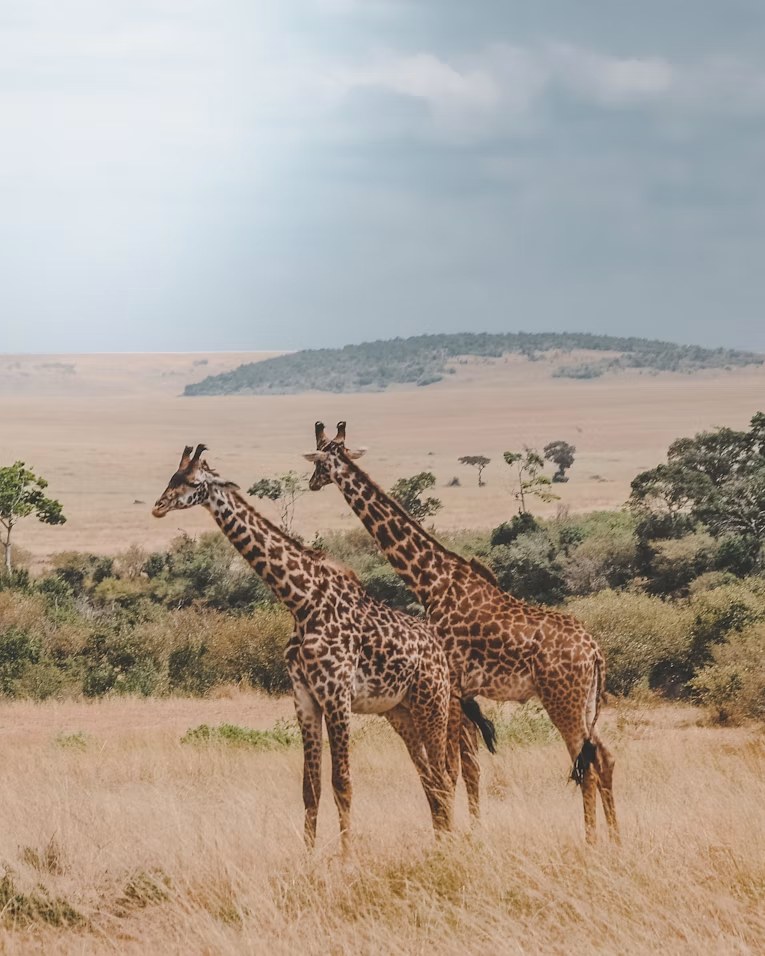
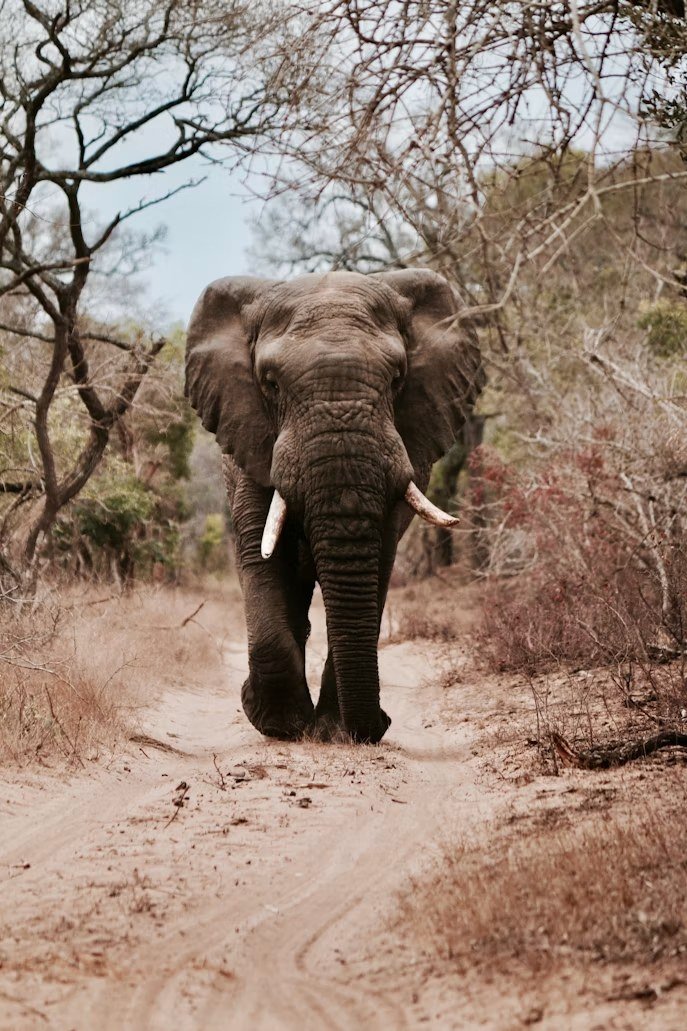
Elephant, buffalo, zebra, giraffe, waterbuck, eland, warthog, roan, topi, impala, sable and many other smaller species are among the numerous wildlife species that are becoming more numerous throughout the park. Oribi is also typically encountered, while the swamp-dwelling sitatunga is less common.
The big cats — lion, leopard and cheetah — are all present, and the lakes and rivers hold a great many crocodiles and hippos. It is a must-visit as part of a Tanzania safari because of its diversity and richness of wildlife, which includes rare bird species as well as carnivores and herbivores.
Burigi-Chato sees almost no visitors. If you want the wildest end of Tanzania, talk to us.
Ask a Local Expert